SCHEDULE OF CONDITION

When agreeing a lease on a commercial property, a schedule of condition is one of the most valuable documents you can possess. Commercial leases often contain obligations for tenants to repair and maintain the property to a certain standard. Usually, the lease will either require the tenant to repair and maintain the full interior and exterior of the property, or just the interior.

A schedule of condition records the condition the property is in before the lease commences. This helps to protect tenants against claims for existing damage and disrepair that was caused by the previous occupiers. In a lot of cases, this pre-existing damage can be quite extensive.

A schedule of condition can not only help tenants to save thousands of pounds in repair bills – often tens or hundreds of thousands on larger properties – it can also make the lease end settlement process easier to resolve with the landlord, by minimising the points of dispute.

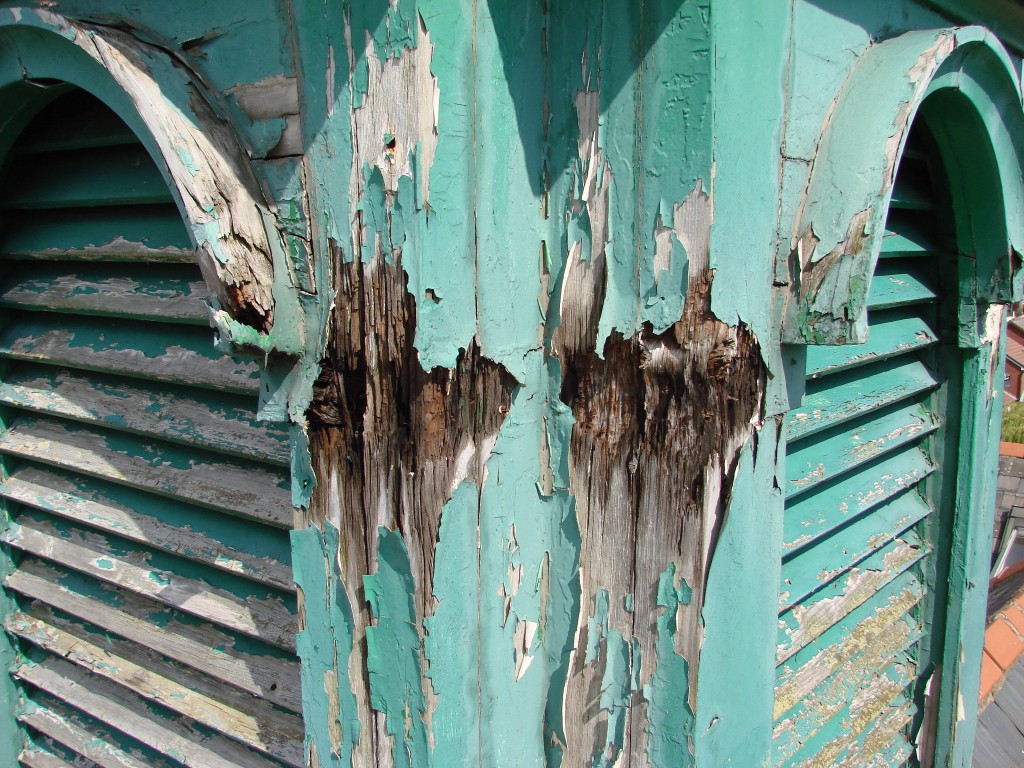
some schedules fall short of their intended impact because:

Roof Coverings

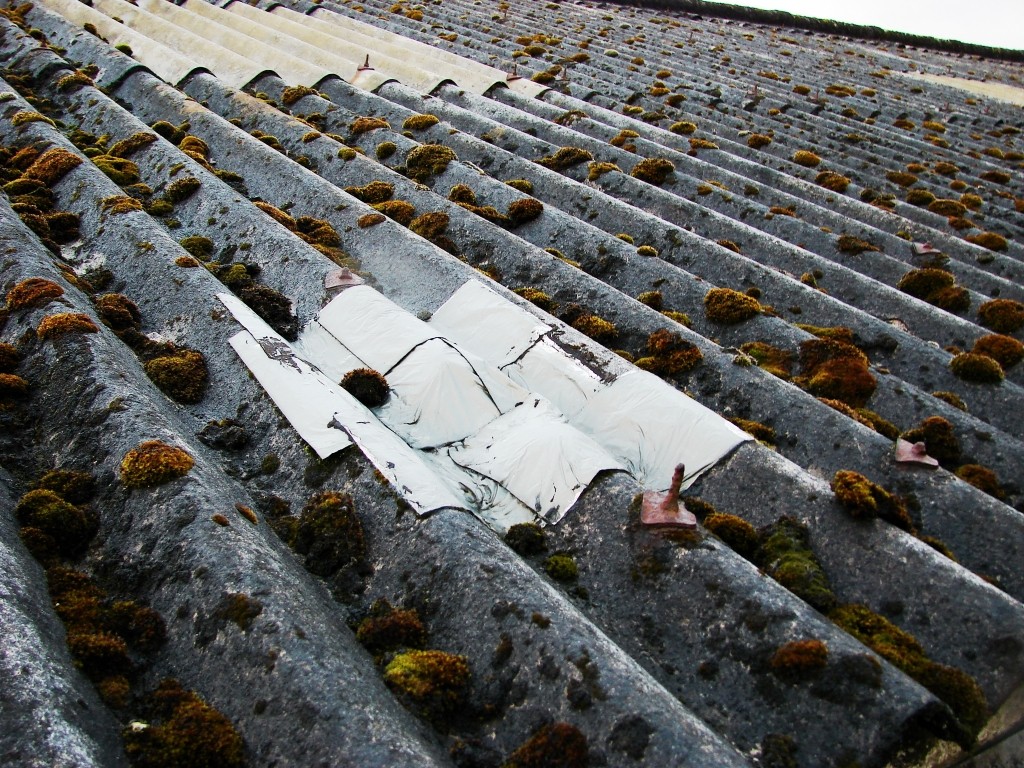
The roof and gutters of the building were not inspected due to access constraints. Unwillingness to access these areas often leads to them being missed, and these areas often incur the highest repair costs.

Demised Area

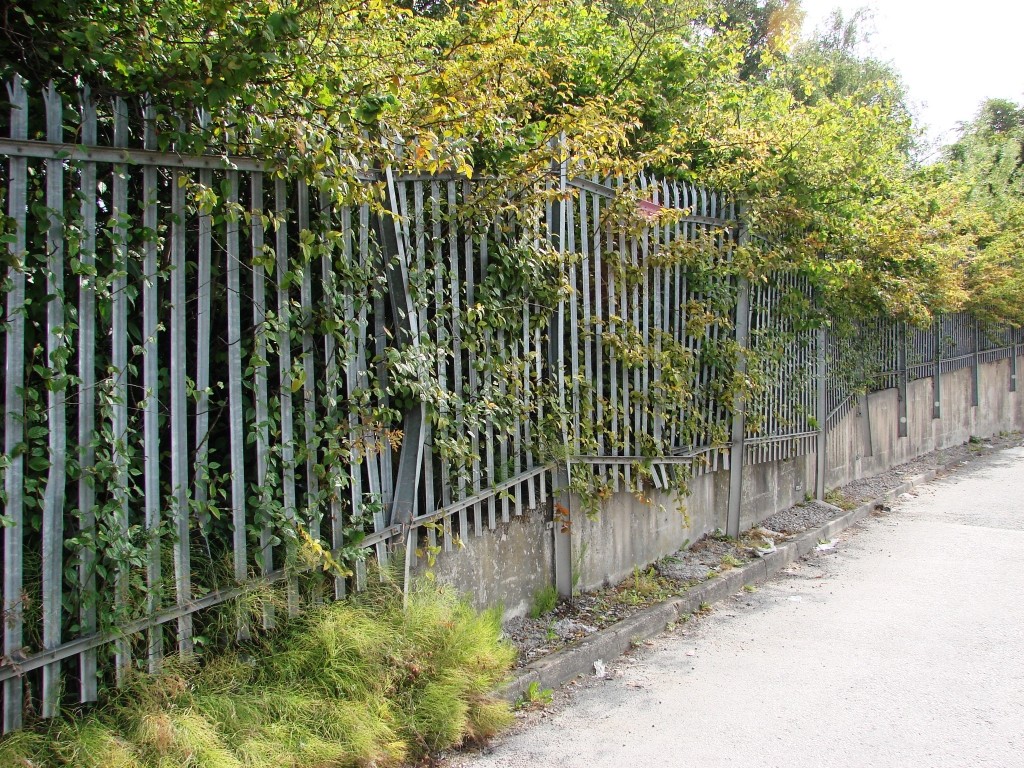
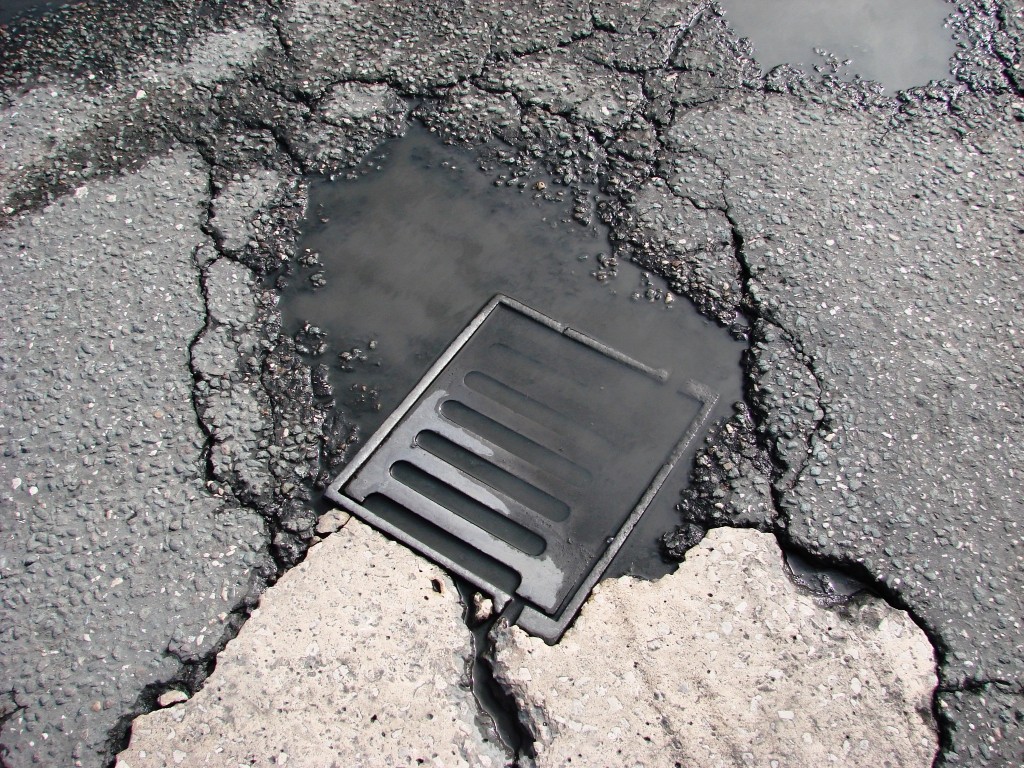
Only the building itself was inspected. The full demised area – including the external yards and boundary fences, etc. – was not inspected. Large external yards can often incur enormous repair costs.

Photos Etc.

The photographs in the schedule were taken on low resolution cameras or on mobile phones, or there is an insufficient number of them to demonstrate the condition of the full property.

Joint Agreement

The schedule has not been agreed and signed off by both the landlord and the tenant, or there is no mention of the schedule in the final lease document. If the schedule is not formally recognised and agreed upon, it may not be useable.

examples of recent surveys carried out:

A full schedule of condition on a new-build storage and logistics unit
A schedule of condition on the roof to a 1960’s storage and logistics unit
A schedule of condition on the interior of a three-storey high street retail shop
A full schedule of condition on a 1930's former public library building prior to a change-of-use

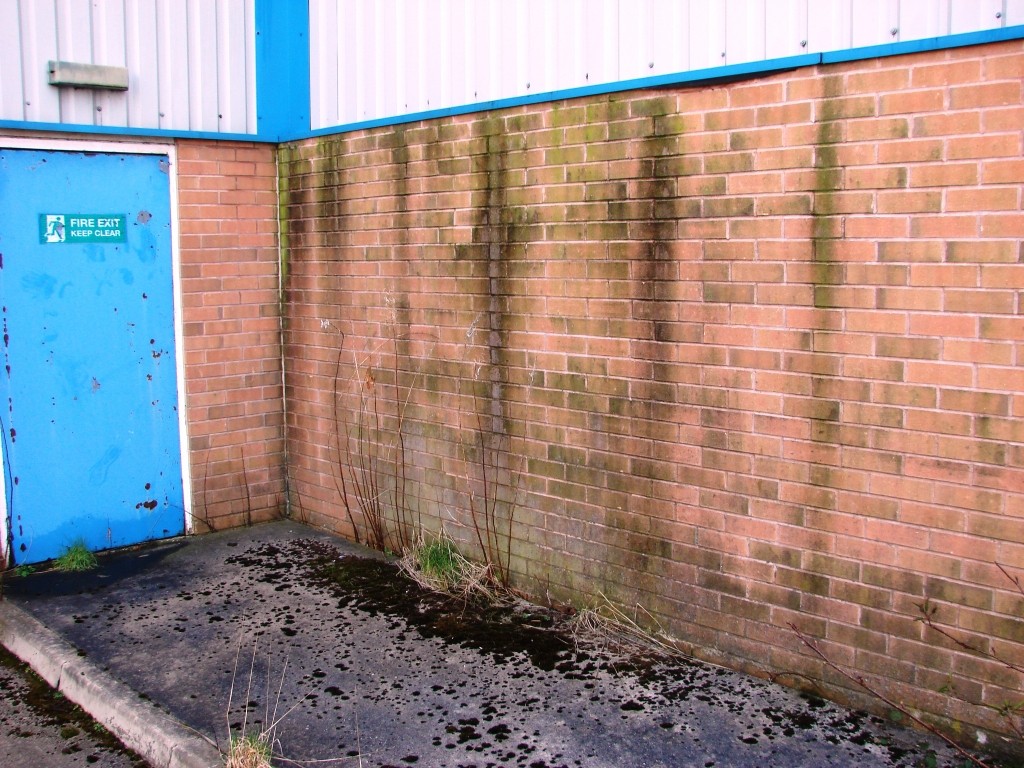
Our schedules of condition cover all accessible areas of the demised property. We carry out inspections of the roof, gutters and other high level parts of the property, using a variety of access methods. We take hundreds of photographs of the property using high-resolution cameras to ensure the record is as comprehensive as possible.

If you’re planning a move into a leasehold premises then contact us for advice. We can help to minimise your liabilities and get your exit strategy right from day one.